
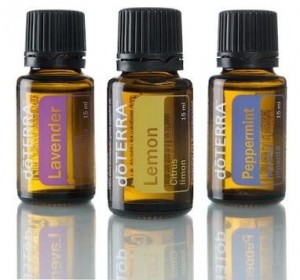
 As a beginner, it may feel a bit overwhelming to figure out the best way to use essential oils. So let’s see if we can make it a bit easier. Try dōTERRA’s Introduction to Essential Oils Kit, which contains 5 ml bottles of lavender, lemon and peppermint.
These popular oils are versatile enough to address many different ailments. So how do you use them? You’re in luck! That’s exactly what this blog is meant for.
First, we’ll talk about three ways you can reap the benefits of these amazing oils. And then will give you some popular uses for each one of them.
Aromatically. Aromatic use is ideal for emotional issues. The olfactory nerves are a direct pathway to the brain’s amygdala, or emotional center.
How to: Inhale directly from an open bottle. You can also rub a drop of oil between the palms and inhale; make a steam tent; place a drop on a shirt collar or pillow; or use a diffuser or cold humidifier.
Topically. Topical is ideal for spot-treating pain or irritated skin, or for boosting the immune system. Skin’s porous surface quickly absorbs essential oils, carrying them into the bloodstream.
How to: Apply 1 to 4 drops to the affected area or to the bottoms of the feet. (Why the bottoms of the feet? Because the feet have many nerve endings. Not only that, but the pores of the skin are also large in that area.) Dilute with carrier oil as necessary for skin sensitivity.
Internally. Internal use is ideal for the mouth and throat, digestion and the urogenital tract. Know yourself and how you react to an oil before using it internally. Note: This method is specific to Certified Pure Therapeutic Grade oils.
How to: Place oil in a capsule, put a drop under the tongue, add a drop to drinking water, gargle oil with water or add it to recipes.
(Source: “Using Essential Oils: A Beginner’s Guide.” www.shareoils.com)
Now for the second part of this blog. Let’s talk about the most common uses, and benefits, of the essential oils found in the introductory kit.
Lavender
 Apply to bottom of feet or on a pillow before sleeping
- Use to calm reaction to a bee sting or bug bite
- Use with bath salts for a relaxing spa bathing experience
- Apply to wrists or inhale when traveling to ease motion upset
- Lightly apply to soothe sunburned or scalded skin
- Apply to back, hands or feet of a restless or agitated child
- Use to calm or soothe pores after hair removal
- Apply to dry, chapped lips before applying lip balm
- Use with peppermint for a healthy scalp massage
- Add to lotion for a stress-relieving hand massage
Lemon
 Add a drop to a water bottle or to water served at a restaurant
- Diffuse aromatically or apply topically for mood elevation
- Add to drop of honey to soothe a cough or sore throat
- Dilute with coconut oil for a daily fingernail conditioning massage
- Apply directly to cold sores for soothing relief
- Add a drop of lemon and peppermint to your toothbrush after use
- Diffuse in a room to neutralize orders
- Remove gum, label adhesives, and greasy substances from fabric
- Use to clean kitchen counters and stainless steel appliances
- Add to olive oil for a non-toxic furniture polish
Peppermint
 Rub on stomach or feet, or take one drop internally to calm indigestion or upset stomach
- Use with lemon in water for a healthy, refreshing mouth rinse
- Diffuse aromatically or apply topically to open sinuses and airways
- Apply with lavender to sore, tired muscles and joints
- Breathe during a meal to help you feel full
- Add to a cold water compress or foot bath to cool off when overheated
- Inhale as a non-stimulant, invigorating pick-me-up on long drives
- Add to shampoo and conditioner for a stimulating hair and scalp massage
- Use with lavender and lemon during allergy season
- Spritz on child’s shirt before study time for alertness