
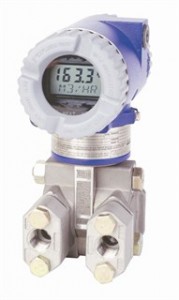
 In the market for a pressure transmitter? Here are some things to keep in mind before investing in these critical devices.
The key to a good pressure transmitter is its transducer. These devices determine the accuracy of a pressure transmitting device by gauging a facility’s pressure, temperature and fluid characteristics.
While a number of brands claim to provide extremely accurate measurements, it is important to remind your engineers that accuracy statements are often based on laboratory conditions. A laboratory testing area is often very different than the grimy and electrically noisy environments that are generally found inside actual work facilities.
Another thing you’ll want think about is how factors like humidity or vibration in your work area will affect a transmitters job performance. Often the environment a transmitter is working in will play a role in its hysteresis, linearity and drift. All pressure transmitters that are on the market have an accuracy reading that is calculated by base accuracy and other factors, but that doesn’t mean it will always work how it should. If a pressure transmitter goes down, do you have the resources to have it replaced quickly and safely, or will you have to shut operations down?
Because pressure transmitters play such an important role in every day operations, the team at Rust Automation and Controls highly recommends looking into Foxboro’s line of quality pressure transmitters. The quality of Foxboro products is second to none, and their d/p Cell transmitter technology ensures accurate readings day in and day out. We’re excited to assist you in finding the perfect tool for your own specific monitoring needs!