
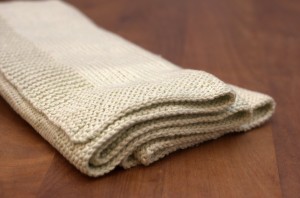
 The blanket: Warm and comfortable. All in a neat little package. People assume that blankets have been around for awhile, but the true origin of these cuddly wraps are actually hard to pinpoint.
Here’s what we do know: Remnants of blankets have been found in ancient primitive dwellings. Not only were they useful for keeping the owners warm when the weather became nippy outside, but they also served as an early form of artwork. To that end, we thought you’d enjoy these historical tidbits about the rich and varied history of today’s blanket.
- Although simple in construction, the loom of the Native American was capable of producing blankets so closely woven as to be waterproof.
- The Navajo, Zuñi, Hopi, and other southwestern Native American people were known for their distinctive, firmly woven blankets. The Navajo people produced beautifully designed blankets, distinguished by geometrical designs woven with yarns colored with vegetable dye. During the mid-19th Century the Navajo began to use yarns imported from Europe because of their brighter colors.
- The ceremonial Chilcat blanket of the Tlingit of the Northwest was woven with a warp of cedar bark and wool, along with a weft of goats’ hair. Among its distinguishing features was the fact that it was curved and fringed at the lower end.
(Source: Columbia Encyclopedia)
 While blanket-making has evolved and changed over the years, there may be a physiological reason that blankets are still around. Have you ever wondered why it seems more comfortable to sleep covered? During the second of the five phases of sleep, the body’s heart rate slows down, causing its temperature to decrease. This would cause a person to feel cool. There have also been psychological ties to using blankets at night because they promote feelings of safety and comfort-reminders of childhood.
Regardless of why you sleep with a blanket, just make sure you select one that promotes a restful night of sleep. Here are some helpful tips in selecting the very best blanket for sleep.