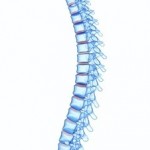
 The spine is an impressive part of the human body. It is made up of vertebrae and nerves that send signals across the body telling limbs to move or fingers to type. The spinal column is composed of 26 vertebrae cushioned by discs. These discs absorb the shock of movement as you walk, lift, and twist throughout the day.
A Healthline publication explains that a disc is made up of two parts: a softer inner part and a hard outer ring. If the inner part actually moves forward due to an injury, the result is a slipped or herniated disc. This usually leads to pain and may cause numbness if it takes place alongside a nerve. Both aging and moving or twisting in an awkward way could lead to herniated discs. Being overweight or obese also increases the risk for the condition. Sometimes surgery is necessary to fix a slipped disc.
 A herniated disc can occur anywhere from the cervical spine or neck to the lumbar region or lower back. Some common symptoms of this condition include: pain radiating into your limbs, numbness, pain worsening after standing, muscle weakness, and tingling or burning sensations.
If you experience any of these symptoms, you will need to see a primary care doctor and possibly a spine specialist. You will likely need imaging scans like X-rays, CT scans, or MRIs. If you are diagnosed with a slipped disc, your doctor may recommend artificial disc replacement surgery.
Artificial disc replacement can ensure a more natural feeling in your neck and prevent degeneration of the discs above and below your affected hernia. When compared to a spinal fusion, patients recover faster with cervical disc replacement and have less surgical risks because it is less invasive. Talk to your surgeon about the benefits of artificial disc replacement.