
Unless you’ve been living under a rock for the past three months, you’ve probably heard about MERS.
Middle East Respiratory Syndrome, known predominantly as MERS, is a viral respiratory illness caused by a nasty coronavirus. MERS causes severe acute respiratory illness with symptoms like fever, cough and shortness of breath, and is fatal 30 percent of the time. That’s right, 3 out of 10 of those who contract MERs, die from MERs!
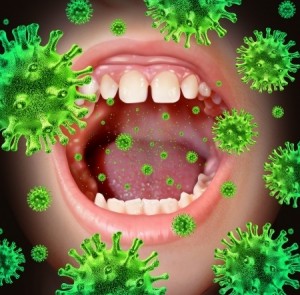 Making this virus even more troublesome is the fact that many sufferers appear to have nothing more than common cold at the onset of infection. Because sufferers feel only mildly ill at first, they are more likely to continue to go about their daily lives as normal. This brings about an increased risk of spreading simply due to more people potentially coming in contact with a MERs carrier or something that MERs carrier has infected.
First reported in 2012 in Saudi Arabia, MERS has gained recent attention due to the fact the virus has evidently made its way to the United States. According to news sources, there have now been multiple reports of confirmed cases of MERS in Indiana and Florida.
The CDC is currently taking steps to combat this horrible virus. They’ve stated that they “recognize the potential for MERS to spread further and cause more cases globally and in the United States.” And they’ve even prepared for this by:
- Enhancing surveillance and laboratory testing capacity in states to detect cases.
- Developing guidance and tools for health departments to conduct public health investigations.
- Providing recommendations for healthcare infection control and other measures to prevent disease spread.
- Providing guidance for flight crews, Emergency Medical Service (EMS) units at airports, and U.S. Customs and Border Protection (CPB) officers about reporting ill travelers to CDC.
- Disseminating up-to-date information to the general public, international travelers, and public health partners.
But what can YOU do?
The precautionary measures taken by the CDC are a great first step, but they are not a fix-all. As business owners and facility’s managers, a great deal of the responsibly falls on us. That’s because, according to the CDC, MERs has “been shown to spread between people who are in close contact. Transmission from infected patients to healthcare personnel has also been observed.”
So we know that we have a horrendous virus that allegedly spreads from contact, either person-to-person or person-to-object-to-person. And that means that our cleaning policies and procedures MUST be held to the highest of standards. Regardless of what business you’re in, if you have building or facility that is frequented by employees or the general public, you have a duty to keep your place clean.
In fact one of the main ways to prevent an all-out, according to the CDC, is to “clean and disinfect frequently touched surfaces.” It’s that simple. Keep your business and/or facility clean, and keep yourself and your friends safe.
Not confident in your cleaning policies and procedures? Cleaning Services Group has you covered. Click here to learn more.