
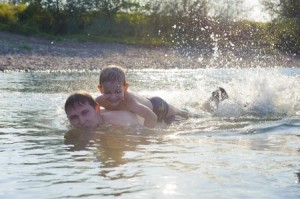
 Are you enjoying a season of summer swimming? Most of us are taking time for outdoor pools, trips to water parks, taking the plunge in lakes during camping trips, and heading out for boating activities. That’s why we wanted to share a quick reference list of safety tips. Consider this a friendly reminder for everyone that will be engaging in swimming sports this summer – to help YOU stay safe during the upcoming season.
Did you know drowning is the third leading cause of unintentional injury or death worldwide? (That’s according to the World Health Organization.) The stats vary widely, but the risk is even higher for children – it’s the second leading cause of death for kids under 12-years old in the U.S. We don’t want to scare anybody, but we do want to make the point that it’s important to stay safe.
Here are a few basic rules, tips and guidelines to swim safe this summer:
- Consider having a personal health review — No one should swim that’s had gastrointestinal illness within the last week. It’s also not a good idea to swim if you’re congested from the flu, or really down and out with allergies. You might even want to see a doctor for a health review and to get the ‘all clear’ if you want to take up swimming laps for fitness.
- Take swimming ability into consideration – If you’re leading a group of Scouts, be sure that the youth and adults have completed the BSA swimmer classification test. Always be sure that non-swimmers – someone that can’t complete a 100-yard swim using any kind of stroke without stopping, and/ or can’t rest by floating – are only taken out on boats during very calm conditions, and with a certified swimmer.
- Use the buddy system — Always keep an eye on the youngest members of the family, especially near open water of any kind. That includes pools, hot tubs, and even small backyard water features. Pair up stronger swimmers with less experienced members of the party.
- Safety before fashion — Everyone should wear a life jacket when participating in rowing, canoeing, sailing, motor boating, waterskiing, rafting, tubing, kayaking and similar activities. No exceptions!
- Mind the conditions and prepare — It’s always a good idea, no matter what your planned activity, to know before you go. If you can, find out the expected water temps, and whether or not an outdoor body of water has a known undertow. Another great idea? Prepare by learning CPR or taking lifeguard classes.
- A word on weather — Don’t tempt fate by trying to wait out a storm. If the temperature drops, you see lightening or hear thunder, the wind kicks up or it starts to rain, get out of the water. It’s that simple. Also, you can get dehydrated swimming on a hot day. Drink plenty of water!
- Bring the right equipment: The bare minimum? Sunblock and a coverup. But you’ll also want to have goggles, float devices, rafts, and life jackets under some circumstances.
Bonus tip: Scout leaders have access to opportunities through the Boy Scouts of America for training in water safety and CPR skills. Scouts also have many opportunities to get certified with water safety merit badge and lifeguard classes. Don’t forget to check for classes at the recreation centers in your local communities.